
Why You Need Specialty Item Movers for Fine Art and Fragile Belongings
March 9, 2026
- By
- In and Out Movers
- Professional Moving Team
At In and Out Movers, we’ve helped countless homeowners relocate delicate artwork, glass displays, and heirloom furniture with precision and care. With years of experience handling these high-risk moves, we understand the difference proper packing and handling make when transporting valuable items. When homeowners choose our expert packers and movers – free estimate – same-day callback, they’re investing in proven safety and skill. We’ve seen what happens when clients attempt to move fragile possessions without professional support – cracked canvases, shattered glass, and heartbreaking restoration expenses. A client once asked us to salvage an antique mirror broken in a DIY move; the repair cost exceeded what our protective service would have cost in the first place. Choosing qualified specialty item movers is not just a convenience – it’s a safeguard for irreplaceable belongings and financial peace of mind.
How Expert Art Movers Differ from Standard Moving Companies
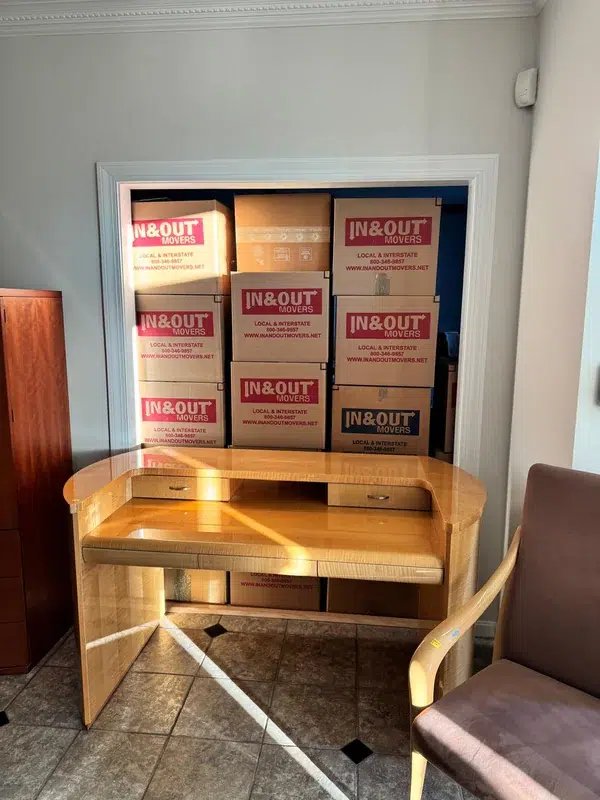
Not all moving services are built to handle fine art or antiques. Standard movers may excel in heavy lifting, but delicate assets call for nuanced care based on materials, framing, and environmental control. The right specialty item mover demonstrates discipline, precision, and technical compliance.
- Equipment and Techniques – Professionals use padded A-frames, slip sheets, and air-ride suspension trucks. In contrast, DIY or basic movers typically rely on moving blankets and straps – not sufficient for canvases or ceramics of value.
- Staff Qualifications – Certified art handlers receive specific training on conservation-approved handling and must pass internal safety audits. If a mover can’t describe how they wrap a gilded frame or dismantle a glass case, that’s a red flag.
- Insurance Clarification – A professional should outline policy coverage in writing, explaining full-value protection versus basic liability (60¢ per pound). Ambiguous or verbal assurances expose homeowners to financial risk in case of damage.
- Crate Construction Standards – Each crate is built to match object dimensions using interior cushioning density rated by ASTM D4728 standards for vibration testing. This distinction means superior stability during transit.
- Transport Environment – Trucks should maintain humidity at 45 – 55% and internal temperatures between 68 – 72°F. General movers rarely monitor environmental conditions, making them unsuitable for high-value assets.
- Transparency in Process – A reputable mover presents a photo-documented packing plan and allows client oversight. Hidden procedures or refusal to disclose techniques typically signal low accountability.
- Client Experience – In our experience, clients who initially chose low-cost movers often call us later to fix issues – frames warped, glass fogged, or sculpture bases cracked. Professional oversight upfront prevents these outcomes and preserves long-term value.
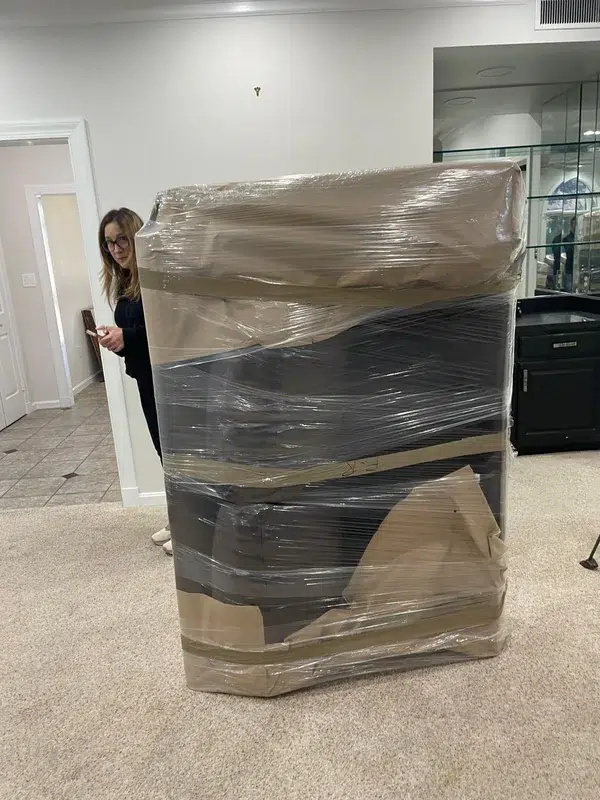
Understanding the Process and Cost Variables for Fine Art Relocation
Engaging the right specialty item movers begins with the right questions. Before approving a proposal, homeowners should ensure they understand service scope, material quality, and cost influences. Here’s what to ask and expect:
- What packaging methods do you use? – Ask whether the team uses museum-grade crates, archival tissue, and custom cushioning. Reputable companies follow AIC and ASTM packaging guidelines to protect against shock and vibration.
- Do you provide climate-controlled transport? – Sensitive art needs consistent temperature and humidity. Request proof of monitoring systems; climate negligence can cause irreversible deterioration.
- What’s the estimated cost range? – Specialty moves may range from $800 to $5,000 depending on artwork size, fragility, and transport distance. Variables influencing cost include custom crate fabrication, crew complexity, and special equipment use. These figures are preliminary benchmarks for informational purposes only and do not constitute a binding quote. An on-site evaluation is required for a final proposal.
- How long does the process take? – Packing, crating, and transport typically take 1 – 5 days per project, depending on scope and crate build time. Planning early avoids schedule pressures that could lead to rushed handling.
- Do you photograph and document each item? – Photo logs serve insurance and verification purposes. This step helps track condition and adds confidence, just as in our expert packers and movers – free estimate – same-day callback service.
- Can you coordinate with storage or installation teams? – Professional movers often liaise with galleries or designers to ensure cohesive scheduling. One customer once asked for same-day delivery of temperature-sensitive prints to a renovated office – our coordination with the HVAC installer preserved the framing integrity.
- Do you provide restoration support if needed? – Some firms maintain partnerships with conservators. Understanding this capability ensures quick response if accidents occur during transit or uncrating.
Protect Your Art with Expert Handling
When your home features fine art, antiques, sculptures, or delicate glass collections, you cannot afford to take risks. Each piece deserves professional care, precise handling, and transportation designed to protect it from the very first touch to final placement. At In and Out Movers, we specialize in moving high-value and irreplaceable items with meticulous attention and premium materials. Our experts design custom crates, provide climate-controlled transport, and execute white-glove delivery that guarantees total peace of mind. You receive full transparency, insured protection, and courteous service throughout every stage of the move. Spaces fill quickly for specialty moves, so secure your preferred date now. Call In and Out Movers today to protect what matters most and experience confidence every step of the way.
FAQs
What makes specialty item movers different from regular movers?
Specialty item movers undergo extensive training in art handling, conservation awareness, and advanced packing procedures designed to protect delicate and high-value pieces far beyond the skill set of standard movers. These professionals understand how temperature, humidity, and vibration affect various materials like canvas, wood, glass, or bronze. To safeguard each piece, they use climate-controlled transport units, museum-grade wrapping, impact-absorbing crates, and precision bracing systems created specifically for each item. Regular movers might rely on standard blankets and boxes, which cannot protect against long-term deterioration or subtle stress fractures caused by movement or environmental changes. In contrast, specialty handlers maintain stringent documentation, ensuring all chain-of-custody records, provenance details, and insurance forms remain accurate for every shipment. They also meet FMCSA liability standards and uphold AIC conservation protocols, guaranteeing secure, compliant, and professional handling of valuable cultural assets, fine art, antiques, and irreplaceable family heirlooms.
How do specialty movers protect paintings and sculptures during transit?
Professional art transport teams follow a structured, highly controlled process to protect artwork from every form of risk during transit. Paintings are carefully wrapped in acid-free tissue or glassine and placed inside custom-built wooden crates fitted with Ethafoam liners that cushion every edge. This design prevents both surface abrasion and direct contact with external air, dust, or moisture. Sculptures receive additional stabilization through shaped foam blocks, stretch film, and plywood bases secured with adjustable ratchet straps to stop any internal shifting. Transport vehicles typically feature air-ride suspension systems that reduce vibration and sudden movement. Temperature and humidity are continuously recorded and maintained near 70°F and 50% humidity to preserve material stability. Each container carries shock and tilt indicators for accountability. These coordinated measures comply with ASTM D4728 vibration protocols and AIC transit guidelines, ensuring safe, professional delivery of valuable artwork worldwide.
How much do specialty item moving services typically cost?
The cost of specialty item moving services can vary widely, typically ranging from about $800 to $5,000 or more per project. Several factors influence this range, including the number of items, their size, fragility, and any special handling requirements. Complex site conditions such as stairs, elevators, or narrow hallways can increase labor time and require extra safety measures. Additional services, such as custom-built crates, precision packing, or protective wrapping for fragile artwork or antique furniture, may also affect the total cost. Long-distance moves, climate-controlled trucks, or secure storage options add further considerations. Each project is unique, and these price ranges are intended only as general benchmarks. To receive an accurate and binding estimate, a full on-site assessment is essential so that every variable and special requirement can be properly evaluated before a detailed quote is prepared.
Can homeowners move fine art themselves, or should they hire professionals?
While homeowners can safely move light framed prints or small decorative pieces if they work carefully, any high-value, antique, or fragile artwork should always be managed by professional movers who specialize in fine art logistics. Attempting to move such items without training can cause serious harm due to overlooked factors such as humidity control, vibration during transport, and improper use of packing materials. Seemingly minor mistakes – like wrapping a canvas in acidic tissue or sealing a painting in non-breathable plastic – can lead to mold, discoloration, or structural damage. Professional fine art movers use archival-grade papers, custom-built crates, temperature-regulated vehicles, and proper cushioning designed to absorb shock. They also understand art insurance, condition reporting, and documentation requirements. For any piece with significant financial, emotional, or historical value, professional handling greatly reduces the risk of permanent loss.
What are warning signs that artwork needs re-crating or maintenance before moving?
Before transporting any artwork, conduct a detailed inspection to verify its condition and structural integrity. Look closely for loose frames, brittle varnish, surface flaking, and weakened backing boards, as these are early indicators of potential failure during vibration or handling. If you notice discoloration, mold spots, or ripples caused by humidity, the piece requires immediate containment in a temperature and humidity-controlled environment to prevent further deterioration. Prior to moving, a qualified art handler should examine every component, secure all hanging hardware, and confirm that protective glass or Plexiglas is firmly adhered and free from cracks. Evaluate corner joints and support braces to ensure that they are stable and uncompromised. Any deteriorated padding, old adhesive, or aged foam should be replaced with inert, archival-grade materials that will not off-gas or chemically react. Comprehensive pre-move assessment greatly reduces the chance of microfractures, structural shifting, or pressure stress developing after relocation.
What common mistakes do people make when moving fragile items?
The most frequent and costly mistake when moving artwork is using generic packing materials, such as bubble wrap, directly on painted or varnished surfaces. Although bubble wrap offers cushioning, it can also trap humidity, which leads to moisture buildup, tacky finishes, and irreversible cracking or imprint marks on the surface. Additional errors include stacking frames on top of one another, ignoring the orientation labels on crates, or forgetting to document the artwork’s condition before packing. Each of these mistakes increases the risk of scratches, dents, or distortions. Temperature management is another often-overlooked factor. Heat and cold fluctuations can cause wooden frames to expand and contract, while canvas fibers lose tension or warp under stress. One client’s paintings, stored overnight in a non-climate-controlled truck, suffered exactly this damage. Careful packing methods, consistent environments, and professional handling protocols ensure artwork remains protected throughout transit.
What qualifications should I look for when hiring specialty item movers?
Always verify that your chosen movers carry proper insurance under FMCSA regulations and that they can readily supply certificates of coverage upon request. Confirm that their staff has completed specialty art handling courses or museum-standard training that emphasize object preservation and specialized packing methods. Ask for references from professional galleries, private collectors, or museums to gauge their reliability and track record. A qualified art mover should clearly outline the conservation-approved materials they employ, including acid-free, non-abrasive, and pH-neutral wrapping, as well as custom crates made from archival wood. They should own vehicles equipped with air-ride suspension and climate control to maintain stable conditions during transit. Trustworthy companies also prepare detailed condition reports, offer itemized valuation and insurance options, and maintain transparent communication from pickup to final delivery, demonstrating careful adherence to industry standards throughout every stage of the process.
What should I do if fragile belongings were damaged after a move?
If items sustain any form of damage during or after a move, take clear and detailed photographs of each affected piece before attempting to reposition or unpack them further. These images will serve as critical documentation for your claim. Notify your moving company and your insurance carrier within 24 hours, submitting all condition reports, invoices, and before-and-after documentation. Avoid trying to clean, repair, or retouch any damaged artwork or furniture on your own, since this can compromise your insurance eligibility or worsen the existing damage. Instead, contact a certified conservator or restoration professional as soon as possible to assess the extent and cause of harm. Movers operating under FMCSA claims regulations can help coordinate reimbursement or facilitate approved restoration. Timely reporting establishes clear accountability, limits secondary deterioration, and ensures the best possible recovery outcome for your valuable items.