
How Office Relocation Specialists Simplify Company Moves
March 19, 2026
- By
- In and Out Movers
Moving an entire office takes more than boxes and trucks – it takes a structured checklist, communication plan, and professionals who understand business continuity. At In and Out Movers, we’ve been helping companies handle complex relocations for years. We’ve noticed that when leadership follows a clear relocation playbook, costly disruptions drop dramatically. This post will walk business owners through how trained office relocation specialists make transitions efficient and stress-free, even when large assets and equipment are involved. One company we helped recently underestimated how long network systems take to reestablish. The IT downtime cost them a full day of productivity. With the right planning and specialized help, that loss would have been avoided. If you’re comparing options, explore how our office movers near me guide details the process professionals use to ensure zero missed deadlines.
Professional standards and best practices that ensure smooth business moves

The best relocation projects combine precision planning, safe handling, and compliance with established industry codes. True office relocation specialists treat a move like a coordinated engineering task, not just a transport job. Every step must meet both AMSA safety criteria and Occupational Safety and Health Administration (OSHA) requirements for lifting, packing, and workplace hazard prevention. Professional best practices start with:
- Comprehensive insurance verification – general liability and cargo protection should both be documented.
- Pre-move walk-throughs to identify high-risk spaces such as narrow corridors or raised flooring systems.
- Digital project management tools to track each workstation, ensuring critical assets arrive at their assigned zone.
- Protective floor runners and wall guards to maintain property condition, especially in leased offices.
- Coordination with IT vendors so that servers are disconnected, wrapped in anti-static film, and reinstalled per manufacturer instructions.
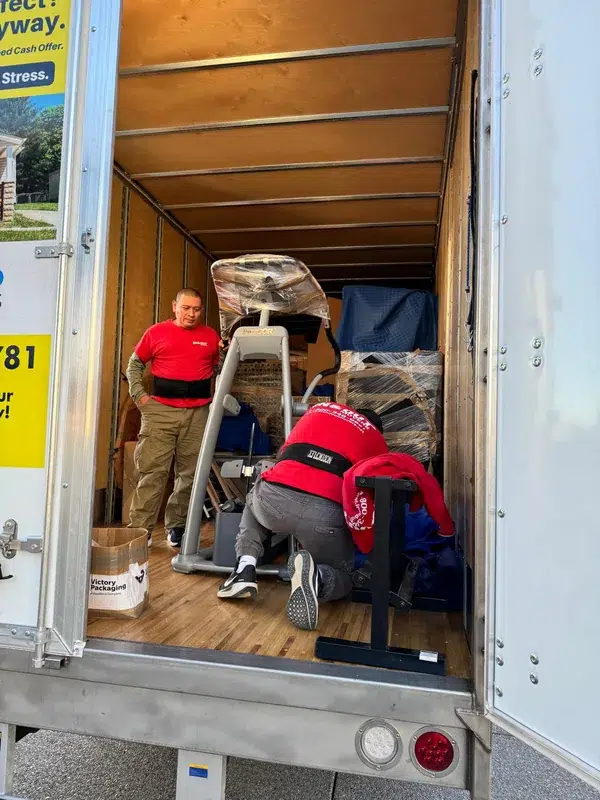
Cost factors and troubleshooting guide for business relocations
Budget planning for an office move can be complex, and unexpected gaps often appear when businesses underestimate logistics. Accurate estimating relies on an assessment of volume, access restrictions, and specialized materials. In our experience, total project costs for mid-size offices may fall between moderate five-figure investments for basic transfers to higher ranges when custom equipment or lab assets require handling. Pricing may fluctuate depending on:
- Building access limitations such as freight elevator hours or stairs
- Special handling for IT infrastructure or modular furniture
- Timeline compression when moves occur over a single weekend
Set Your Relocation Plan in Motion
Is your business preparing for an office move? Every hour counts when it comes to maintaining productivity and minimizing disruption. In and Out Movers delivers professional, organized relocation services that protect your equipment, meet your schedule, and keep your team moving forward. Our experts handle every detail from careful packing and labeling to coordinated communication with property managers and IT teams, so your operations resume quickly without costly downtime. We plan and execute each step with precision, ensuring safety, efficiency, and complete peace of mind. Do not wait until deadlines become stressful. Contact In and Out Movers today to schedule your consultation and secure a seamless, stress-free office move that keeps your business running strong.

FAQs
What exactly does an office relocation specialist do?
Office relocation specialists oversee every stage of a business move, ensuring that every component is managed with precision and efficiency. Their work begins with detailed pre-planning, including space evaluations, timeline development, and coordination with department heads to determine specific requirements. They handle critical aspects such as packing logistics, loading, transportation, and post-move verification to confirm that workstations, IT infrastructure, and furniture are properly connected, functional, and ready for use on the target date. To maintain control throughout the process, our team utilizes advanced tools including color-coded labeling systems, inventory tracking software, and protective packaging materials designed to prevent damage. Unlike general movers, office relocation specialists focus on minimizing downtime through careful alignment with company schedules, building access times, and compliance with standards established by organizations like the American Moving and Storage Association (AMSA) and OSHA. This structured approach enables businesses to transition smoothly into new spaces while maintaining productivity, employee morale, and operational continuity.
How early should a company begin planning an office move?
Ideally, planning for an office relocation should begin at least three to six months before the intended moving date to ensure a smooth and coordinated transition. Early preparation gives leaders time to review lease terms, schedule IT disconnections and reconnections, and confirm furniture layouts well in advance. A solid starting point is a detailed floor plan analysis combined with a full asset inventory to determine what stays, what moves, and what can be replaced. When planning begins too late, teams often encounter problems such as rushed packing, unavailable freight elevators, or last minute vendor issues, all of which can delay the move and increase costs. By booking early, you can secure preferred dates, verify insurance requirements, and arrange for professional disassembly and installation. Structured preparation keeps schedules realistic, minimizes downtime, and supports a productive transition without unnecessary disruption.
How much does a professional office relocation typically cost?
Professional office relocations can vary widely in cost, ranging from moderate five-figure budgets for smaller professional suites to significantly higher totals for large corporate headquarters. Pricing depends on a range of key variables, including the physical layout of the site, the complexity of access points such as multiple floors or limited elevator service, and any special handling needs for delicate or high-value equipment. Material expenses also have a major impact since protective packing materials, IT-safe containers, crates, and labeling systems must meet corporate standards for data and asset security. The total scope of the move, measured by the number of employees, departments, or workstations involved, is another major factor. Timing, scheduling restrictions, and distance between locations further influence final pricing. A comprehensive on-site survey remains essential for accurate quoting and reliable cost forecasting.
Can a company manage an office move without professional help?
While smaller offices may sometimes attempt to manage a relocation on their own, professional coordination quickly becomes essential as the scale of operations increases. A do-it-yourself move can easily miss critical details such as proper IT infrastructure disconnection and reinstallation, safe transportation of ergonomic furniture, or compliance with building and elevator regulations. Experienced office relocation specialists handle these tasks efficiently using commercial-grade equipment, data-secure containers, lift-approved carts, and carefully staggered schedules to avoid bottlenecks. Doing this independently can lead to costly downtime, data loss, physical strain, or damage to valuable assets. Beyond logistics, professionals also provide insurance coverage and follow strict AMSA guidelines, ensuring every stage meets industry safety standards. For organizations where productivity, data security, and equipment reliability directly influence revenue, hiring professional movers is a strategic investment that minimizes disruption and maximizes business continuity.
What are early warning signs that a move plan may fail?
Watch for missed milestones, incomplete inventory logs, or sudden vendor confusion. Each of these warning signs often points to deeper issues such as weak coordination between departments or lack of a structured relocation plan. When labels are incomplete, elevator times are not reserved, or insurance certificates remain unverified, management should consider this a clear signal that procedures need tightening. The safest strategy is to schedule weekly progress checks – verify that packing is on track, that IT systems are being prepared for shutdown and reinstallation, and that all permits or access passes are secured ahead of time. If decision-makers detect confusion about delivery windows or disconnect requirements, an experienced relocation consultant can help restore organization. Routine monitoring protects timelines, reduces risk of equipment damage, and prevents financial losses after the move officially begins.
What common challenges do businesses face during office relocation?
The biggest challenges during an office relocation often revolve around minimizing downtime, protecting technology assets, and maintaining workforce productivity throughout the move. Many organizations discover that the new floor plan does not match their existing furniture configuration, which can cause inefficiencies and unexpected costs. Misalignment between supervisors, building management, and IT vendors is another recurring issue that can trigger delays in key processes such as access card setup and network availability. Communication gaps tend to amplify small problems into larger disruptions. Additionally, teams frequently underestimate the amount of time and coordination needed for cable management and workstation reinstallation. A comprehensive relocation strategy should include departmental move leaders, clear labeling of all materials, pre-move briefings, and contingency plans. Partnering with experienced office relocation specialists ensures that every detail – from packing sensitive equipment to restoring full operational functionality – meets business continuity goals.
What should I look for when hiring office relocation specialists?
When evaluating commercial movers, always confirm that each company is properly licensed and fully insured to comply with AMSA and DOT standards. Request proof of these credentials and insist on receiving written, itemized estimates that outline labor costs, transportation details, and any additional service fees. A reputable mover should also provide a customized relocation plan describing timelines, points of contact, and a clear chain of responsibility. Ask about employee background checks, technical training, and specific handling procedures for sensitive IT equipment to minimize downtime or damage. Thorough specialists use tracking platforms to monitor progress and post-move checklists to verify that every workstation and device is correctly reconnected. Avoid providers that hesitate to share client references or rush the quotation process. Transparent communication, documented procedures, verified insurance, and dependable scheduling collectively demonstrate a mover’s commitment to safeguarding your company’s assets and operations.
What should I do if an office move suddenly becomes urgent?
When an office relocation becomes time-sensitive – whether due to a lease expiration, unexpected property damage, or a fast-approaching renovation deadline – careful coordination is essential to avoid unnecessary disruption. Begin by confirming the availability of new office space, securing all access permits, and coordinating with IT support to align system shutdown and setup dates. Even if the situation feels urgent, avoid rushing without a structured checklist and clear communication plan. Contact professional relocation specialists as early as possible. They will help arrange packing materials, organize furniture disassembly, plan transport routes, secure insurance certificates, and manage vendor coordination. Experienced movers can create an accelerated yet compliant schedule that meets all safety and building regulations. Indicators of an urgent move include a short lease termination notice, equipment access restrictions, or delays caused by damaged areas. Taking immediate, organized action reduces downtime, protects assets, and ensures the entire transition proceeds smoothly.