Are you considering moving to Washington, DC? That’s exciting! This city has so much character and opportunity packed into every corner. From world-class museums to vibrant nightlife, the DC metro area offers something for everyone. But let’s be real. Relocating to Washington, DC, comes with its own set of challenges. The cost of living is high, traffic can be brutal, and finding the right neighborhood takes research. Don’t worry, though. We’ve helped countless people make this transition smoothly, and we’re here to share what actually matters.
Why Moving to Washington, DC Feels Like a Fresh Start
There’s something magical about starting fresh in a new city. Moving to Washington, DC, gives you access to history, culture, and career opportunities all in one place. The DC area attracts ambitious people from around the world. You’ll meet professionals, artists, students, and dreamers all chasing their goals.
The energy here is contagious. Every neighborhood has its own personality and vibe. Whether you want quiet tree-lined streets or bustling urban corners, you’ll find your spot. We’ve seen people completely transform their lives after relocating here. The opportunities really are endless if you know where to look.
The Cost of Living in Washington Is High But Manageable
Let’s talk money. The cost of living in Washington runs higher than in most U.S. cities. Housing takes the most significant chunk of your budget by far. A one-bedroom apartment in a popular area can easily cost $2,000 per month. That number jumps in trendy spots closer to downtown.
But here’s the thing. Salaries in the DC metro area match these expenses. Many employers factor in the higher costs when setting pay rates. Plus, you can find more affordable options in the surrounding suburbs. Areas like Silver Spring offer lower rent while keeping you connected to the metro system. Understanding these costs before moving to Washington, DC, helps you plan realistically.
Innovative Ways to Budget When You Move to Washington, DC.
When moving to Washington, DC, planning your finances upfront saves major headaches later. Start by researching neighborhoods that realistically fit your budget. Don’t stretch yourself thin by trying to live in the trendiest area right away.
Consider these money-saving strategies:
- Use public transportation instead of owning a car
- Explore free attractions like the Smithsonian museums
- Shop at local farmers’ markets for fresh, affordable produce
- Look for roommate situations to split housing costs
- Check the suburb options along the metro lines for better deals
We always tell newcomers to live below their means initially. Give yourself time to understand your actual expenses before upgrading your lifestyle.
Finding the Perfect DC Neighborhoods for Your Lifestyle
Choosing where to live in Washington matters more than you think. Each DC neighborhood has a distinct character, price points, and vibes. Some areas cater to young professionals seeking nightlife. Others suit families wanting good schools and parks.
Take your time exploring different areas before signing a lease. Visit on weekdays and weekends to get the whole picture. Walk around, grab coffee, and talk to residents. This research pays off when you’re actually living there daily. Anyone moving to Washington, DC should prioritize neighborhood research above almost everything else.
Why Adams Morgan and U Street Corridor Are Fan Favorites
Adams Morgan draws people who love diverse food scenes and eclectic shops. The neighborhood stays lively with bars, restaurants, and cultural events. It’s perfect if you want walkable entertainment options nearby.
The U Street corridor has similar energy with its own unique flavor. Music venues, historic landmarks, and excellent restaurants line the streets. Both areas attract younger crowds who value urban living experiences. We’ve helped many clients settle in these neighborhoods. They consistently report loving the community feel and convenience.
When Partial Packing Services Make Sense
Navigating the Washington Metro Like a Local
The metro system becomes your best friend when living in Washington. This public transportation network connects the entire DC metro area efficiently. Most residents rely on it for their daily commute to work and play.
Learning the colored lines takes maybe a week tops. Download the official app for real-time updates and trip planning. Rush hour gets crowded, so plan accordingly if possible. Many people read, listen to podcasts, or catch up on work during their rides. Mastering the metro makes moving to Washington, DC, so much easier.
Public Transportation Tips for Your Daily Commute
Your commute significantly shapes your daily quality of life. When moving to Washington, DC, consider how far you’ll travel regularly. Living near a metro station makes everything easier and faster.
Bus routes supplement the metro throughout the district. Biking has also exploded in popularity with dedicated lanes everywhere. Capital Bikeshare stations dot the city for convenient short trips. The key is testing different routes before committing to a neighborhood. We recommend doing a trial commute during rush hour before signing any lease.
Things to Know About DC Culture, Museums, and Nightlife
The cultural scene here genuinely impresses everyone who visits. Free Smithsonian museums line the National Mall, waiting to be explored. You could spend months visiting every museum and landmark without repeating.
Nightlife varies depending on what you enjoy. Georgetown offers upscale dining and cocktail bars. Dupont Circle has lively LGBTQ+ friendly venues. The waterfront areas along the Potomac and Anacostia rivers provide beautiful outdoor spots. Cherry blossom season transforms the entire city into a pink paradise every spring.
Moving to Washington, DC, means never running out of things to experience. Weekend activities basically plan themselves with so many options available.
Final Tips for Moving to Washington, DC with Confidence
Moving to Washington, DC, requires preparation but delivers incredible rewards. Start your housing search early since good places go fast. Connect with local Facebook groups to learn insider tips from residents.
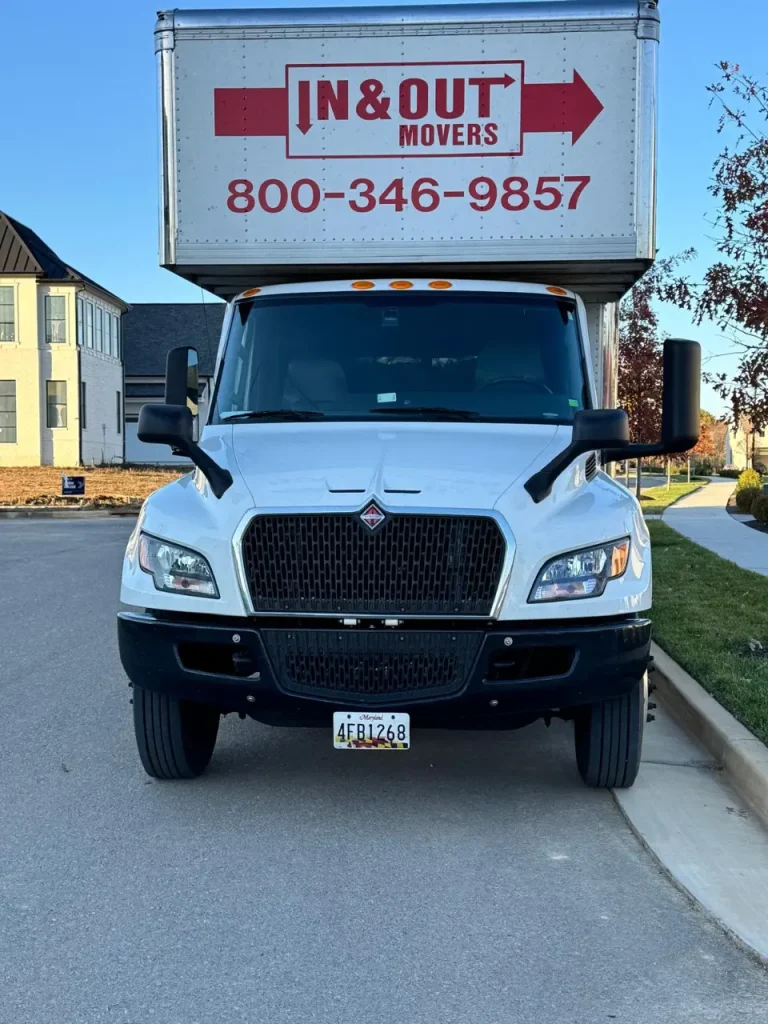
Hire a reliable mover who knows the area’s tricky parking situations. Many streets have permit requirements that catch newcomers off guard. Give yourself grace during the adjustment period, too. Every city takes time to feel like home.
We’ve guided dozens of relocations to the DC area over the years. The people who thrive here embrace the chaos and stay curious. This city rewards those willing to explore and engage with their community. Your adventure is just beginning, and honestly, you’re going to love it here.
Frequently Asked Questions
Is the cost of living high in the Washington, DC Metro Area?
Yes, the cost of living in the Washington, D.C., metro area runs higher than in most U.S. cities. Housing takes the biggest hit on your wallet, with average one-bedroom apartments costing around $2,000 monthly in popular neighborhoods. However, salaries here typically reflect these higher expenses. You can also find more affordable options in surrounding suburbs like Silver Spring while staying connected to the metro system.
Q: What's the best time of year for moving to Washington, DC?
A: Spring and fall offer the most pleasant weather for relocating. Summer gets hot and humid, making moving physically exhausting. Winter brings occasional snowstorms that can delay schedules. Many leases turn over in the summer, so competition increases then. We recommend September through November for easier apartment hunting and comfortable moving conditions.
Q: How long does it take to adjust after moving to Washington, DC?
A: Most people feel settled within three to six months of arriving. Learning the metro system happens quickly over a few weeks. Finding your favorite spots and routines takes longer, though. Building friendships and community connections typically takes the longest. Be patient with yourself during this transition period.
Q: Is owning a car necessary in the DC metro area?
A: Many residents live comfortably without cars here. The metro and bus systems cover most areas well. Ride-sharing apps fill gaps when needed. However, exploring suburbs or taking weekend trips becomes easier with a vehicle. Consider your lifestyle and commute before deciding.
Q: What documents do I need when relocating to Washington, DC?
A: You’ll need to update your driver’s license within 30 days of arrival. Bring proof of residency, such as a lease agreement or a utility bill. Register to vote at your new address promptly. If you have a car, register it and get new plates quickly, too.
Q: Are DC neighborhoods safe for newcomers?
A: Safety varies significantly by specific location, and block research crime statistics for any neighborhood you’re considering seriously. Generally, areas with higher foot traffic and commerce feel safer. Talk to current residents for honest perspectives on their experiences.
Q: How do I meet people after moving to Washington, DC?
A: Join clubs, sports leagues, or volunteer organizations matching your interests. Meetup groups host events for newcomers regularly throughout the city. Coworking spaces help remote workers build professional connections locally. Neighborhood bars and coffee shops often foster community naturally over time.