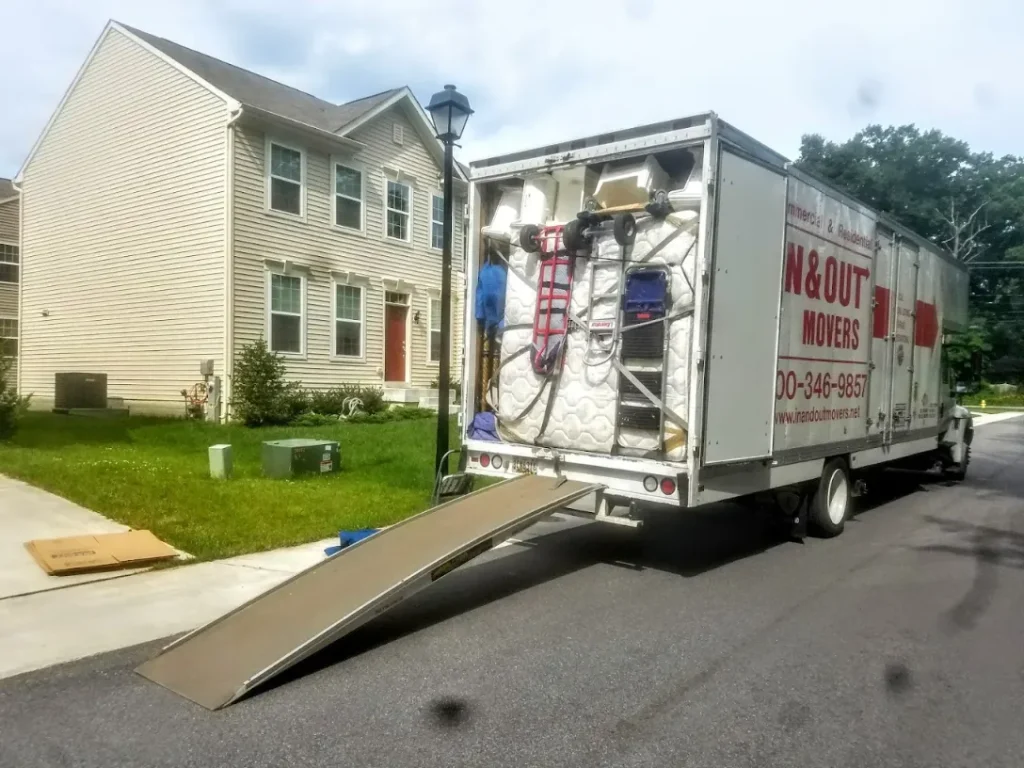

Crossing the state line from Virginia to Maryland might feel like a small move on the map, but the administrative, financial, and lifestyle changes can add up quickly. We totally understand - and we're here to walk you through every detail so your transition feels seamless. Whether you're relocating for work, schools, or a fresh start, let's make moving from Virginia to Maryland as stress-free as possible!
Virginia vs. Maryland: A Side-by-Side Comparison for Relocating Families
Before you pack a single box, it helps to see the big picture side by side. Maryland and Virginia share a border but differ meaningfully on taxes, cost of living, and daily life. Here's a clear comparison to guide your planning and help you budget for what's ahead.
| Category | Virginia | Maryland |
|---|---|---|
| State Income Tax (top rate) | 5.75% | 6.5% + local income tax |
| Sales Tax | 5.3% - 7% | 6% |
| Median Home Price | ~$390,000 | ~$420,000 |
| Property Tax Rate (avg.) | ~0.80% | ~1.09% |
| Driver's License Transfer | DMV (VA) | MVA - within 60 days |
| Vehicle Registration | DMV (VA) | MVA - within 60 days |
| School Enrollment Deadline | Varies by county | Proof of residency required |
Vehicle Re-Registration and Driver's License: Your Maryland MVA To-Do List
One of the first priorities after moving from Virginia to Maryland is visiting the Maryland Motor Vehicle Administration (MVA). You have 60 days from establishing residency to transfer your Virginia driver's license to a Maryland license and re-register your vehicle. You'll need proof of Maryland residency, your current VA license, and vehicle title documents.
Maryland also requires a one-time safety inspection before it will register a vehicle brought in from another state, even if your car is current on Virginia's annual inspection. Budget around $75-$150 for that inspection. The good news is that the MVA accepts online appointments, so you can schedule ahead and avoid long wait times. Getting this handled early keeps you compliant and stress-free from day one.
- Day 0Establish Maryland residency
- InspectionPass the Maryland safety inspection
- MVA visitTransfer your license and register your vehicle
- Day 60Deadline for both
Maryland Tax Changes: What Virginia Residents Need to Budget For
Maryland's tax structure has a few important differences that families moving from Virginia should plan for carefully:
- Maryland charges a local income tax on top of the state rate - your county determines the exact percentage (typically 2.25%-3.20%, and counties may now go up to 3.3%)
- Property taxes in Maryland average around 1.09%, notably higher than Virginia's ~0.80%
- Maryland's sales tax is a flat 6%, which can be slightly higher than many Virginia localities
- Maryland does offer a Homestead Tax Credit that caps property tax increases for primary residents - apply once you've settled in
- Update your tax withholding with your employer on day one to avoid an unexpected bill at year-end

School Enrollment in Maryland: What Families Need to Prepare
Enrolling your children in a Maryland public school requires proof of residency - typically a lease agreement, utility bill, or mortgage statement - along with immunization records and your child's birth certificate. Maryland schools are assigned by residence address, so your new neighborhood directly determines your school district.
Contact your new county's school system before moving day if possible. Montgomery County, Prince George's County, and Anne Arundel County each have their own enrollment offices and timelines. Some magnet programs require separate applications with deadlines months in advance, so research early to secure the best fit for your family. If you want a deeper look at what awaits you, check out our full guide on the pros and cons of moving to Maryland before finalizing your decision.
Cost-of-Living Shifts: Budgeting Smartly for Life in Maryland
Overall, Maryland's cost of living runs slightly higher than Virginia's, particularly in housing and taxes. Median home prices in Maryland hover around $420,000 compared to Virginia's ~$390,000. Groceries, utilities, and everyday expenses are relatively comparable, but the combined effect of higher property taxes and local income taxes means families should build a buffer of roughly 8-12% into their monthly budget when relocating.
Median Home Price
Property Tax Rate (avg.)
On the upside, Maryland's proximity to Washington D.C. and its robust job market - especially in federal contracting, healthcare, and technology - can offset those higher costs with stronger earning potential. Plan your finances carefully in the first few months, and you'll find the transition much smoother than expected!