Moving to a new home brings excitement and stress in equal measure. One of the most significant decisions you’ll face is how much help you need with the process itself. Should you handle everything yourself, or let professionals take the wheel? We’ve helped countless families figure out the sweet spot between doing it themselves and hiring full help. The truth is, partial packing offers the perfect balance for most people. It lets you control what matters while getting expert assistance where you need it most. Let’s break down your options so you can make the smartest choice for your situation.
What is Partial Packing?
Here’s the thing about partial packing. It gives you complete control over which items you handle and which ones you leave to the pros. We’ve seen families pack their everyday clothes and books while having movers handle the fragile china and electronics. This approach saves you money compared to full service while still protecting your valuable or delicate belongings.
The beauty of this method is its flexibility. You decide exactly where to draw the line. You may want to pack your kids’ rooms because they know where everything goes. Or you’re comfortable with basic boxes but need help with that massive entertainment center. Professional movers work around your preferences, stepping in only where you ask them to.
Understanding Full Packing Services
Full service means precisely what it sounds like. The moving team shows up with all the supplies and packs everything in your home. They wrap, box, and label every single item from your kitchen plates to your bedroom linens. We’re talking complete coverage here.
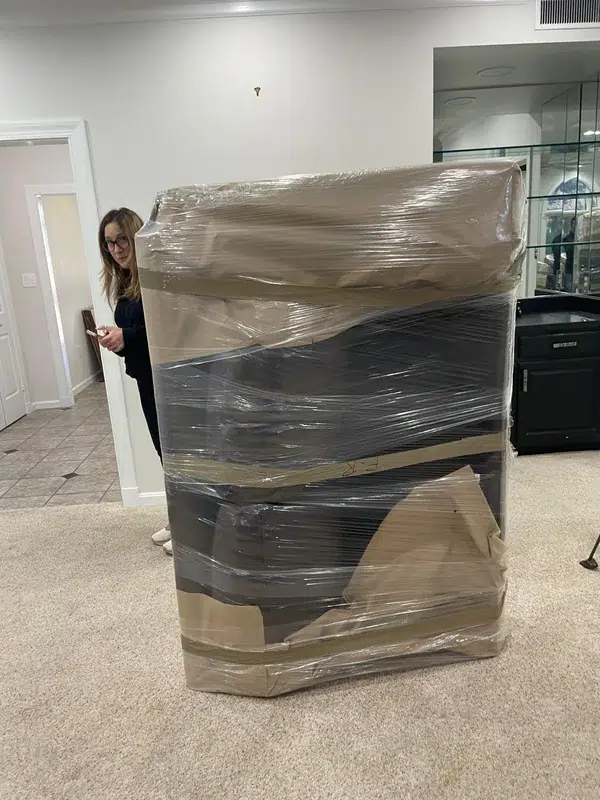
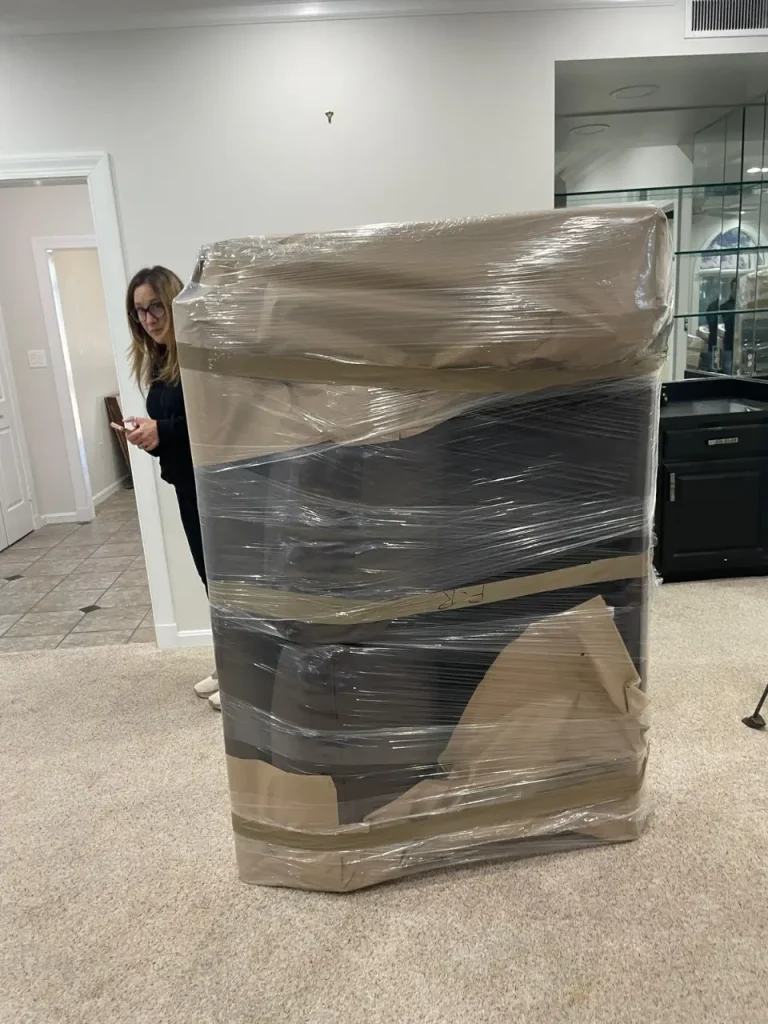
These teams bring years of experience to the job. They know exactly how to protect your belongings for transport. Fragile items get special treatment with bubble wrap and custom boxes. Heavy furniture gets blankets and straps. The whole process typically takes 1 to 2 days, depending on the size of your home. When the truck arrives at your new place, they can even unpack everything and put items exactly where you want them.
Key Differences Between Packing Options
The main split between these approaches comes down to involvement and investment. With full service, you’re paying for convenience and expertise across the board. The team handles literally everything while you focus on other moving tasks, such as address changes and utility setup.
Partial packing sits right in the middle. You’re actively involved in the process, but getting professional help for the tricky stuff. This option typically costs 30 to 50 percent less than full service. The time commitment falls somewhere between doing everything yourself and having a team take over completely.
Time and Effort Required
DIY partial packing demands the most from you personally. Plan on dedicating several weeks to box up an average three-bedroom house. You’ll spend evenings and weekends wrapping dishes, folding clothes, and making countless trips to get more supplies. It’s exhausting work that adds to an already stressful time.
Partial packing cuts that timeline dramatically. We usually pack the challenging items in a few hours while you handle the simpler stuff at your own pace. Full service eliminates nearly all the work from your plate. The team swoops in, packs everything in a day or two, and you’re done.
Cost Considerations for Different Services
Money matters when you’re moving. Full service typically runs between $2,000 and $5,000 for packing alone, depending on home size and distance. That’s on top of the actual moving costs. You’re paying for labor, expertise, materials, and insurance coverage.
Partial packing significantly reduces those numbers. Most families spend $500 to $1,500 for professional help with select items. You save on labor while still getting expert handling for valuables. DIY packing costs the least upfront, usually just $200 to $400 for materials. However, you risk damage to items if you don’t pack them correctly, which could cost more in the long run.
When Partial Packing Services Make Sense

This middle-ground option works brilliantly for specific situations. We recommend it for valuable collections, such as antiques or artwork, that require expert care. It’s also perfect if you’re working with a tight moving budget but still want some professional assistance.
Busy families love this approach too. Parents can pack the kids’ toys and everyday items while pros handle the kitchen and fragile decorations. It reduces stress without breaking the bank. Here’s when we typically suggest this route:
- You have some items requiring special handling
- Your moving budget falls in the mid-range
- You want to stay involved but need help with heavy or fragile pieces
- Time is tight, but you can handle basic boxing
- You’re comfortable with partially packing some rooms but not others
Best Items to Pack Yourself
Some things are actually easier to pack yourself. Clothing works great because you know your folding preferences and seasonal organization. Books can go straight into small boxes without much wrapping. Linens, towels, and bedding are nearly impossible to damage during partial packing.
Personal documents and jewelry should definitely stay under your control throughout the move. We always tell clients to keep important papers and valuables with them rather than loading them on the truck. Kids’ favorite toys and comfort items also benefit from parental packing since you understand which ones matter most.
Benefits of Full-Service Moving and Packing
Sometimes you need the whole package. Full-service moves make sense when time is minimal. Corporate relocations often fall into this category. You might have two weeks to move across the country while still working full-time. In these cases, letting pros handle everything keeps you sane.
Medical situations also warrant full service. If someone in the family has health issues or mobility challenges, packing can add unnecessary strain. The investment in professional help pays off in reduced stress and physical demands. We’ve worked with clients recovering from surgery who couldn’t lift boxes or stand for long periods.
What Full-Service Movers Handle
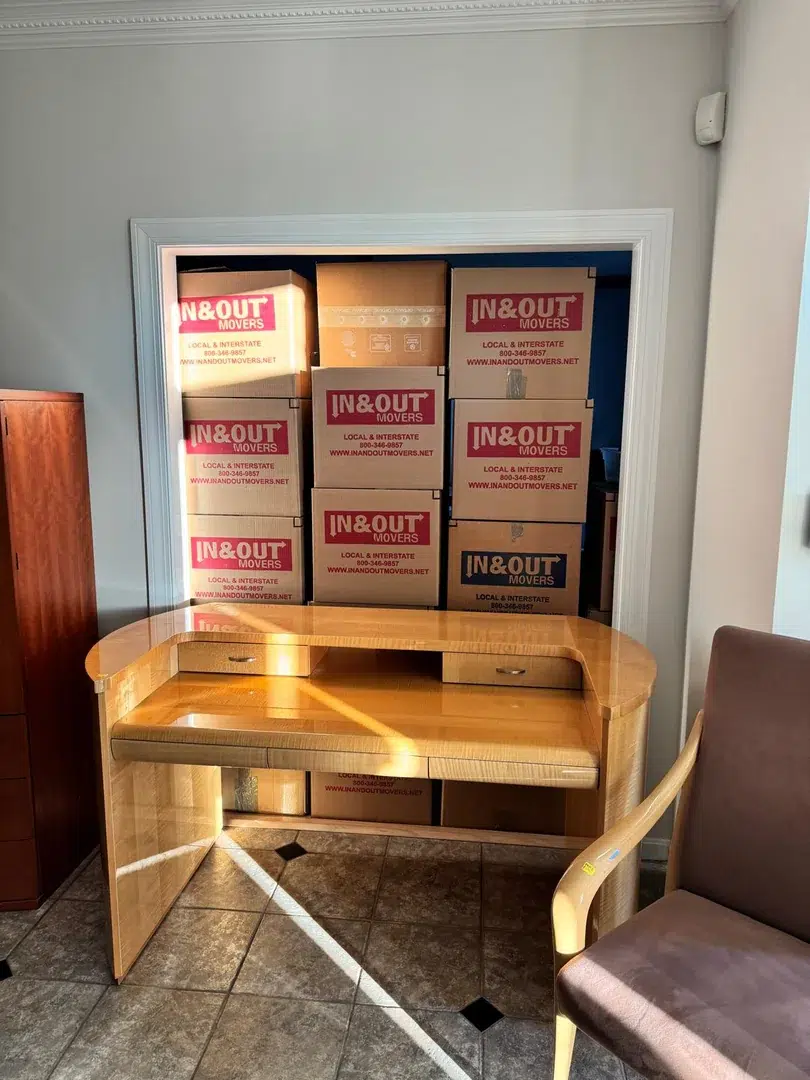
These teams truly do it all. They arrive with industrial-grade materials, including specialized boxes for electronics, wardrobes, and dishes. Every item gets wrapped appropriately based on its fragility and value. Furniture gets disassembled and padded for protection.
The crew labels everything systematically, so unpacking flows smoothly. They’ll even arrange furniture in your new home according to your floor plan. Some companies offer unpacking services, putting dishes in cabinets, and hanging clothes in closets. It’s the ultimate hands-off moving experience.
Why Partial Packing Works for Most Families
We’ve found this approach hits the sweet spot for about 60 percent of our clients. It balances cost savings with professional expertise exactly where you need it. You maintain control over personal items while ensuring fragile or valuable pieces get proper treatment.
The flexibility factor can’t be overstated. Some customers pack everything except their kitchen. Others handle all the bedrooms but need help with the garage and basement. This customization means you’re only paying for services you actually need. There’s no wasted money on packing your sock drawer when you’re perfectly capable of doing that yourself.
Choosing the Right Moving Company for Your Needs
Not all movers offer the same level of service or customization. When shopping around, ask specifically about their approach to custom options. Can they pack just your china cabinet? Will they help with only the items you specify? Get straightforward answers before signing any contracts.
Check reviews focusing on how companies handle partial packing requests. Some movers try to push everyone toward full service because it’s more profitable for them. You want a company that respects your choices and works within your budget. Ask about their materials, too, since quality matters whether they’re packing everything or selecting items.
Making Your Moving Day Stress-Free
Here’s what we’ve learned from years in this business. The best moves happen when you’re honest about your abilities and limitations. Don’t overcommit to DIY packing if you don’t have the time or energy. But also don’t pay for full service if you’re capable of handling some tasks yourself.
Start planning early, regardless of which route you choose. Partial packing requires coordination between what you’re doing and what the pros will handle. Create a clear list of responsibilities so everyone knows what they are. Communicate openly with your moving company about your expectations and concerns. The right team will work with you to create a smooth, efficient move that fits your budget and timeline perfectly.
Frequently Asked Questions
How much money can I save with partial packing compared to full service?
Most families save 30 to 50 percent by choosing partial packing over full service. The exact amount depends on how much you pack yourself. If you handle most standard items and only need pros for fragile or bulky pieces, you could save even more. Get quotes for both options from your mover to compare specific numbers for your situation.
What items should I never pack myself?
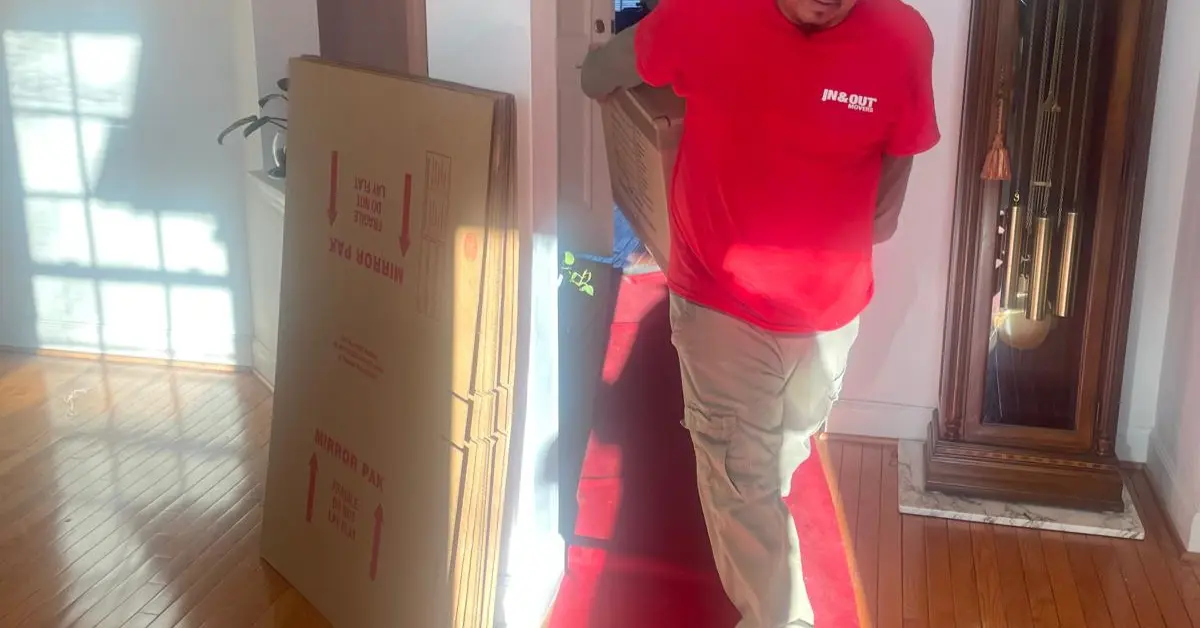
We strongly recommend professional handling for expensive electronics, antiques, artwork, chandeliers, and large mirrors. These items need specialized materials and techniques to travel safely. Musical instruments, especially pianos, also require expert care. If something is irreplaceable or worth over $1,000, let the pros handle it so you have insurance coverage if anything goes wrong.
How far in advance should I start packing for a partial packing move?
Start at least four weeks before your move date. Begin with items you don’t use daily, like seasonal decorations, books, and off-season clothes. This gives you time to pack at a comfortable pace while scheduling professionals for the tricky stuff. Last-minute packing leads to mistakes and forgotten items, so give yourself plenty of buffer time.
Will movers provide packing materials if I choose partial packing?
Most companies supply materials for the items they’re packing. You’ll need to provide your own boxes, tape, and bubble wrap for anything you pack yourself. Some movers offer material packages you can purchase, which often cost less than buying everything retail. Ask your moving company about their policies when getting your quote to avoid surprise expenses.
Can I change my mind about partial packing after booking?
Yes, most moving companies allow changes up to a week before your move date. You might decide you need more help than you expected or realize you can handle more on your own. Contact your mover as soon as you want to adjust the plan. Keep in mind that adding services is usually easier than reducing them, since the company schedules crews accordingly.
How do I coordinate what I pack versus what the movers pack?
Create a detailed room-by-room list specifying exactly what you’re handling versus what needs professional attention. Share this with your moving company at least two weeks before the move. Use colored labels or tape to mark boxes you’ve packed versus items waiting for the pros. Clear communication prevents confusion and ensures nothing gets overlooked on moving day.