
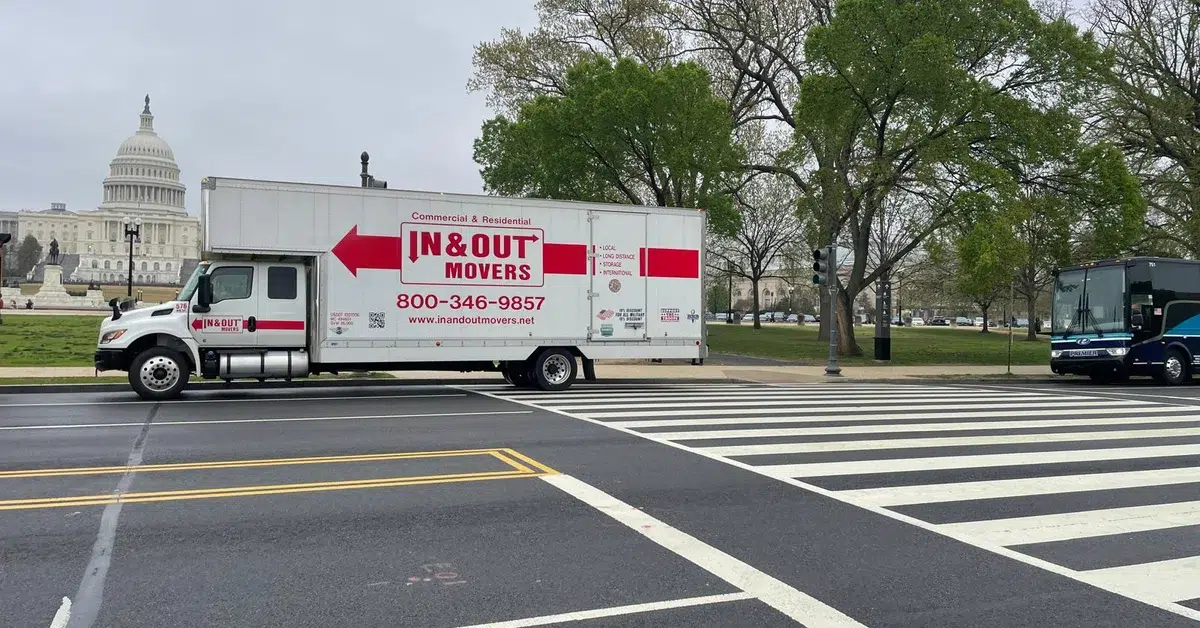
Getting a moving truck parking permit in Washington DC is not optional in most neighborhoods - it is a formal requirement administered by the District Department of Transportation (DDOT). Without one, your mover risks a fine, a tow, or both. This guide explains exactly how the permit process works, which areas enforce it hardest, and how DC rules compare to Maryland and Virginia so your move day goes smoothly from the start.
DC vs. Maryland vs. Virginia: How Moving Permit Rules Differ
The three jurisdictions in the DMV metro area each handle moving truck parking differently. Knowing the differences before moving day prevents costly surprises.
Learn more about international moving checklist washington dc
Learn more about full service moving company DMV
Learn more about georgetown office movers dc
| Category | Washington DC | Maryland / Virginia |
|---|---|---|
| Formal parking permit required | Yes - DDOT Moving Permit | Generally no permit; standard no-parking signs or HOA rules apply |
| Who issues the permit | DDOT Public Space Permit Office | No equivalent agency; handled by local municipality or building management |
| Application portal | dcdot.dc.gov public space permits | No single portal; varies by county |
| Typical permit fee | ~$100-$200 depending on duration and location | No standard fee; some HOAs charge a move-in deposit |
| Lead time required | Minimum 3 business days; 5-7 recommended | No formal lead time; notify building management in advance |
| Enforcement risk | High - DPW actively patrols and tows | Lower - primarily HOA or condo building rules |
| Spot reservation method | DDOT posts no-parking signs after approval | Cones or building-issued signs; no official posting |
How to Apply for a DDOT Moving Truck Parking Permit in Washington DC
The permit you need is a Public Space Occupancy Permit issued by DDOT. It temporarily reserves one or more curbside parking spaces for your moving truck on a specific date. You apply through the DDOT Public Space Permit portal at ddot.dc.gov. The online system is called TOPS (Transportation Online Permitting System).
DDOT requires a minimum of three business days' notice, but that is the floor, not the target. Plan for five to seven business days, especially if your move falls on a Friday, a holiday week, or in a high-demand neighborhood. Processing slows during peak moving season - May through September - when applications pile up.
Once approved, DDOT sends you printed no-parking sign templates. You post them at the reserved space at least 72 hours before your move date. That advance posting is what legally backs up the reservation - a space with a posted sign can be enforced by DC's Department of Public Works (DPW), which will ticket or tow vehicles parked there.
- Step 1Create an account on the TOPS portal at ddot.dc.gov and select "Public Space Occupancy Permit"
- Step 2Enter your move date, street address, number of spaces needed, and estimated truck size
- Step 3Pay the permit fee online (typically $100-$200; exact amount depends on duration and block)
- Step 4Receive approval email with printable no-parking sign templates - allow 3-7 business days
- Step 5Post printed signs at the curb at least 72 hours before your move date
- Move DayYour mover parks legally in the reserved space; keep a copy of the permit in hand
Neighborhoods with the Strictest Permit Enforcement in DC
Not every DC block enforces parking rules with equal intensity. These four neighborhoods are where unpermitted moving trucks draw the most attention from DPW enforcement officers:
- Capitol Hill: Residential streets are narrow, heavily parked, and patrolled consistently. Residents know the rules and will call 311 if a moving truck blocks their space without a posted sign.
- Georgetown: No Metro stop means trucks can't route around it. Street widths vary, and many blocks are historic - enforcement is tight and tow trucks respond quickly.
- Dupont Circle: High-density rental buildings and embassies share blocks. DPW patrols frequently because double-parking here creates traffic backups on key corridors like Connecticut Ave.
- Navy Yard / The Wharf: New construction brought stricter building management and active DPW presence. Many buildings here also require a separate loading dock reservation on top of the street permit.
- Adams Morgan and Columbia Heights: High foot and vehicle traffic, especially on weekends, makes permit compliance more visible. Weekend moves here without a permit almost always attract enforcement.
In every one of these neighborhoods, the right move is to apply early, post signs on time, and confirm your mover has a copy of the permit before they load the truck.

Can You Reserve a Spot in Front of a Condo or Apartment Building?
Yes, but a DDOT street permit only covers public curbside space - it does not give you access to a private loading dock or garage. If your building has a designated loading zone or bay, that is managed entirely by building management, not DDOT. You need to reserve it separately, usually through the building's property manager or concierge.
Many DC apartment and condo buildings - particularly in Navy Yard, NoMa, and Southwest Waterfront - require renters and owners to book the freight elevator and loading dock weeks in advance. Some charge a refundable deposit of $200-$500 to cover any damage to walls or elevators. That reservation does not replace the street permit; you may need both if the truck has to park on the public street while waiting for dock access.
For older row-house blocks in Capitol Hill or Georgetown, there is no building loading dock. The street is the only option, which makes the DDOT permit the entire plan. Apply for enough spaces to fit your truck with room to open the rear doors - typically two full curbside spaces for a 26-foot truck.
For detailed guidance on building-specific moving policies, our guide on Apartment Moving Rules: Elevators, Permits, and Building Policies covers what to ask your building before move day.
What Happens If Your Mover Shows Up Without a Permit?
Moving without a valid DDOT permit in Washington DC carries real consequences. Here is what actually happens on the ground:
Typical DC Moving Truck Fine (unpermitted)
Permit Lead Time
A parking ticket is the best-case outcome. DC's Department of Public Works will ticket a moving truck parked in a no-parking or rush-hour zone without a permit. Fines typically run $100-$250 per ticket. If the truck is in a tow-away zone or blocking a fire hydrant, it gets towed. Retrieving a towed commercial vehicle from the DC impound lot on Blair Road NW runs $200 or more just for the tow, plus daily storage fees.
Beyond the money, a towed truck means your move stops entirely while the driver retrieves the vehicle. That can cost you two to four hours on move day - time your building's freight elevator reservation does not wait for. The delay can cascade into overtime charges from your moving company.
Some movers attempt to park in a metered spot and feed the meter. That is not a legal substitute for a moving permit in DC. Metered spaces are limited to the posted time maximum, and a commercial vehicle parked beyond that limit still draws a ticket. The only clean solution is a valid DDOT public space occupancy permit with signs posted 72 hours in advance.
If you are working with movers in Washington DC who are familiar with DDOT's process, they will typically coordinate the permit application as part of your move planning. That is worth confirming when you book.
For more on what distinguishes reliable DC-area moving companies, the Interstate Movers In Washington DC page covers what to look for when moving across jurisdictional lines from the District.
