
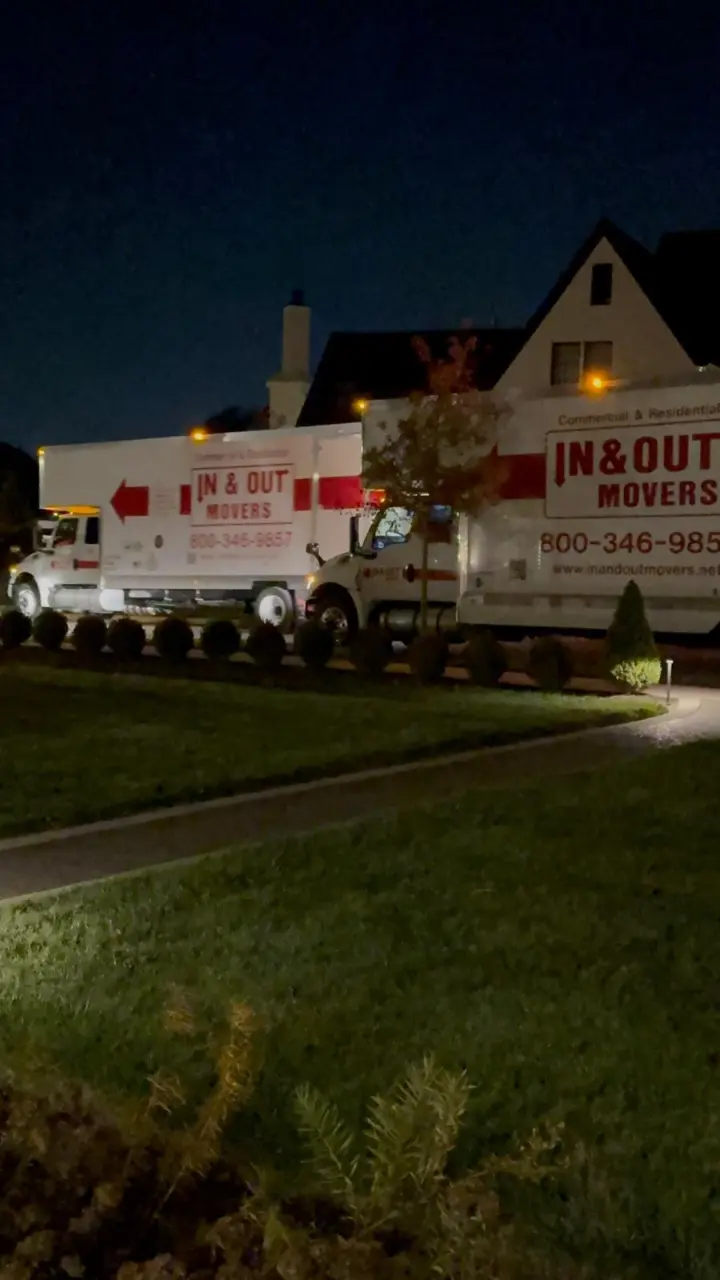
How To Pack For a Move In 2026 | Tips For Moving Houses Like a Pro
So you’re getting ready for a significant change. Exciting, right? But then reality hits. You look around and realize you need to pack for a move, and suddenly it feels overwhelming. I’ve helped countless people through this process. Trust me, it doesn’t have to be chaotic. With the right approach, you can pack for a move like a total pro. This guide breaks everything down into simple steps. Let’s get you ready for your new home without losing your mind.
Why You Need a Moving Checklist Before You Pack for a Move
Here’s the truth. Jumping in without a plan is the fastest way to create stress. I always tell people to make a packing checklist first. It keeps you organized and prevents that last-minute panic. When you pack for a move with a solid list, you know exactly what needs attention.
Your checklist should include every room and every item category. Write down deadlines for each space. This gives you a visual roadmap of the entire process. I’ve seen people cut their packing process time in half just by having this simple tool. It’s seriously a game-changer for staying on track.
The Best Way to Pack One Room at a Time
Don’t try to tackle everything at once. That’s a recipe for burnout. The most innovative way to pack is to focus on one room at a time. Finish one space before jumping to the next. This method keeps things manageable and shows real progress.
Start with the rooms you use least often. Guest bedrooms, storage areas, and basements are perfect starting points. Save daily-use spaces like the kitchen and bathroom for last. When you pack for a move this way, you’ll feel accomplished instead of scattered. Plus, unpacking becomes way easier when boxes are organized by room.
How to Pack Clothes for Moving Day
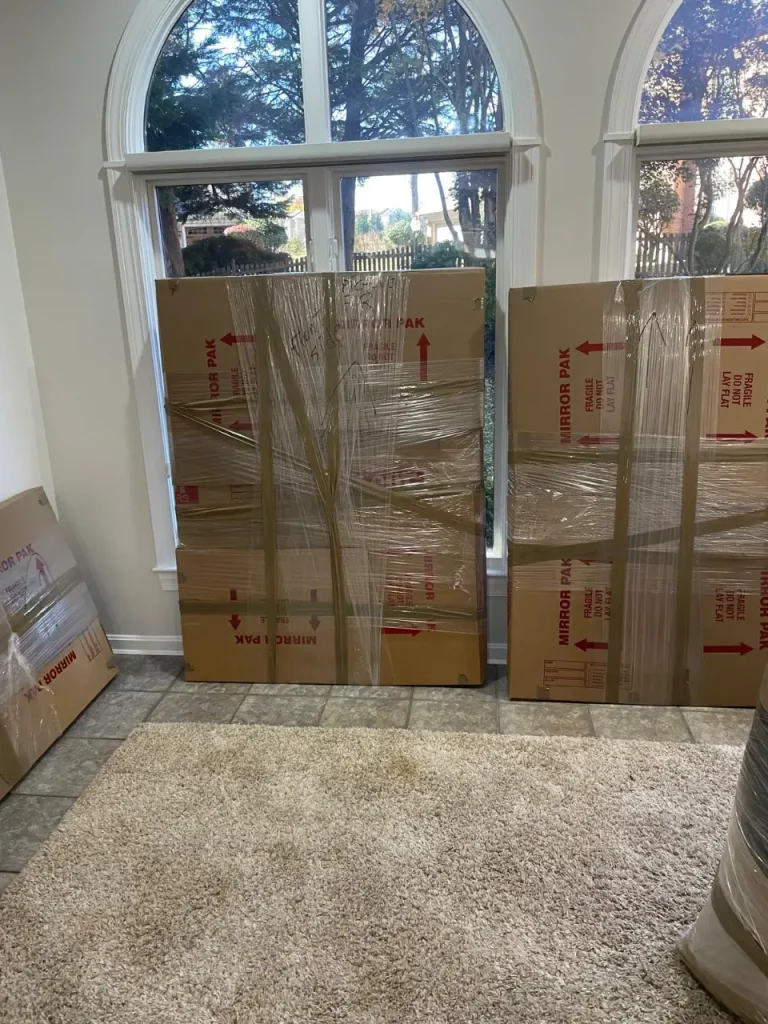
Clothes can be tricky. You want them protected but accessible. I recommend using wardrobe boxes for hanging items. They keep everything wrinkle-free and ready to wear. For folded items, use suitcases you already own. Why waste space in your truck?
Here’s a quick tip I always share. Roll casual clothes instead of folding them. This saves space and reduces wrinkles. Leave a small bag of essentials out for the first few days. You’ll want easy access to outfits without digging through boxes at your new place.
Tips for Packing Fragile Items and Books
Fragile items need extra love. Wrap each piece individually with packing paper. Never skip this step. I’ve watched people regret rushing through this part. Use smaller boxes for heavy items, such as books. Large boxes filled with books become impossible to lift.
Layer the bottom of the boxes with cushioning material. Place heavier items at the bottom, lighter ones on top. Label these boxes clearly as fragile. Your mover will thank you, and your belongings will arrive safely. When you pack carefully for a move, you avoid heartbreak later.
Essential Packing and Moving Supplies You'll Need
Having the right packing supplies makes everything go more smoothly. Don’t wait until the last minute to gather materials. You’ll need plenty of boxes in various sizes. Packing tape is non-negotiable, so grab several rolls.
Stock up on these basics:
- Sturdy boxes in small, medium, and large sizes
- Quality packing tape and a tape dispenser
- Packing paper and bubble wrap for protection
- Permanent markers for clear labeling
- Furniture blankets for large items
These packing and moving supplies keep your stuff safe during transport. Invest in quality materials because cheap boxes can collapse. Your belongings deserve proper protection throughout the entire journey.
Pro Tips to Pack for a Move and Save Time
Want to work smarter? Start earlier than you think necessary. Most people underestimate how long this takes. Give yourself at least four to six weeks. When you pack for a move with enough time, you make better decisions.
Don’t bring everything to your new home. This is the perfect opportunity to declutter. Donate or sell items you haven’t used in a year. Less stuff means fewer boxes. Fewer boxes mean lower costs and faster loading. I always encourage people to lighten their load before the big day.
What to Pack First When Moving to Your New Place
Begin with seasonal items and decorations. You won’t miss holiday stuff or summer gear right now. Next, tackle books, collectibles, and artwork. These items take time to wrap correctly, but aren’t daily essentials.
Then work through the guest rooms and storage areas. Pack for a move in layers, starting with rarely used items. Save everyday necessities for the final days. This strategy lets you maintain normalcy while making real progress. Your new place will feel like home faster with this organized approach.
Working With Moving Companies on Move Day
Hiring professional help can save your back and sanity. Research your options and get multiple quotes. Good mover services book up fast, especially during peak seasons. Schedule them weeks in advance to secure your preferred date.
Prepare for your moving truck’s arrival by having everything boxed and labeled, and by clearing pathways through your home. Point out fragile items and special instructions. Stay available to answer questions throughout the day. When you pack for a move correctly, professionals can work efficiently. This saves money and gets you settled faster.
Make Your Next Move Stress-Free
You’ve got this. Seriously. When you pack for a move using these strategies, the whole experience transforms. It goes from overwhelming to totally manageable. Start with your checklist. Gather your supplies early. Work through rooms systematically.
Remember why you’re doing this. A new chapter awaits at your new home. Every box you fill brings you closer to that fresh start. Take breaks when needed. Ask friends for help. And don’t forget to celebrate when that moving truck pulls away. You just accomplished something huge. Now enjoy your new place!

Frequently Asked Questions
Q: How far in advance should I start preparing to pack for a move?
A: Start at least six weeks before your scheduled date. This gives you time to declutter, gather supplies, and work through each room without rushing. If you’re working full-time, you might need even longer. The earlier you begin, the less stressful the final days become. Waiting until the last week creates chaos and poor decisions.
Q: What's the best way to pack jewelry and valuables?
A: Keep jewelry and important documents with you personally. Never put them on the truck. Use original boxes when possible for expensive items. For loose pieces, pill organizers work great for earrings and rings. Wrap necklaces in tissue paper to prevent tangling. Consider photographing valuable items before transport for insurance purposes.
Q: How many boxes will I need for an average home?
A: A typical three-bedroom home requires about 60 to 80 boxes. This varies based on how much stuff you own. It’s better to have extra boxes than run short. Most supply companies accept returns on unused materials. Ask friends and family for spare boxes to cut costs. Grocery stores often give them away for free.
Q: Should I empty dresser drawers before the movers arrive?
A: It depends on the dresser’s weight and your mover’s policy. Lightweight dressers can often stay filled with soft items like clothes. This actually saves box space. However, heavy furniture may need to be emptied for safe transport. Ask your specific company about their preferences. Always remove breakables regardless of the policy.
Q: How do I handle packing when I have young children?
A: This is tough but doable. Work during nap times or after bedtime. Set up a play area away from boxes. Ask family members to watch the kids during intensive packing sessions. Involve older children by giving them simple tasks. Keep their room until last so they maintain routine and comfort during the transition.
Q: What items should I not put on the moving truck?
A: Never load hazardous materials like paint, propane, or cleaning chemicals. Perishable food belongs with you, not in a hot truck. Essential documents, medications, and valuables should stay in your personal vehicle. Plants often don’t survive long trips. Most professional services have prohibited-item lists, so check with them beforehand.